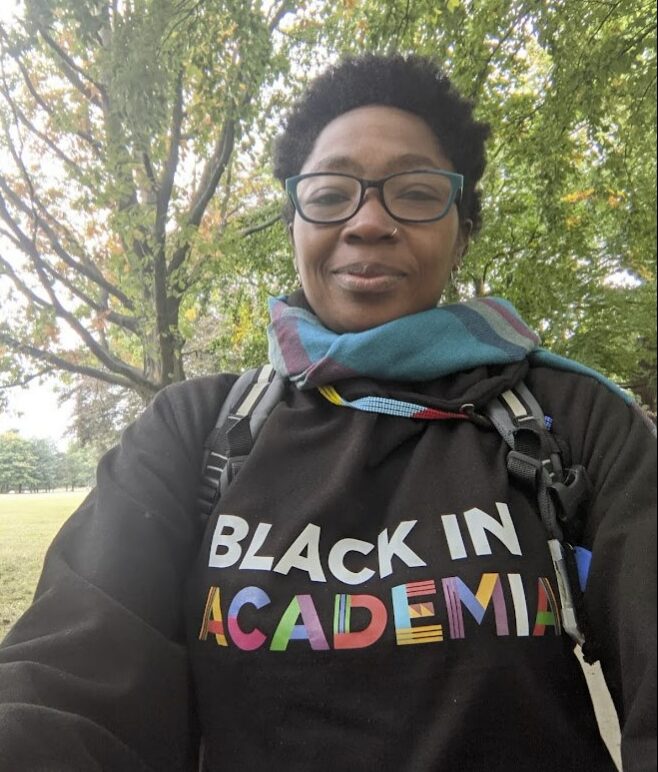
STEM research is, unfortunately, often complicit in causing or worsening human suffering. This recognition has emerged relatively recently in my career… like many researchers trained within STEM, I wasn’t encouraged to engage in sustained critical reflection on the social, political and epistemic dimensions of scientific research as part of my formal training.
But over the past few years, I have been examining how Eurocentric approaches to knowledge production and scientific inquiry can cause and perpetuate societal and epistemic injustices. And in response, I have been reflecting on how to pursue my own scholarship in ways that do not reproduce these harms, through critical engagement with questions of how scientific knowledge is produced, why particular forms of inquiry are privileged, and by whom… I am currently part of a interdisciplinary collective doing this work.
I am also privileged to be a fellow of the Intersectional and Comparative Advancement of Racial Equity for Social Justice (ICARE4Justice) community- a group of transnational and transdisciplinary critical scholar-practitioners who work together to develop and disseminate global-local frameworks for advancing racial equity in education research, praxis and policy. Here is the White Paper from our first Global Summit in the Netherlands in Summer 2022. I shared some of my own reflections of this summit here. There’s a podcast series from the most recent summit here.
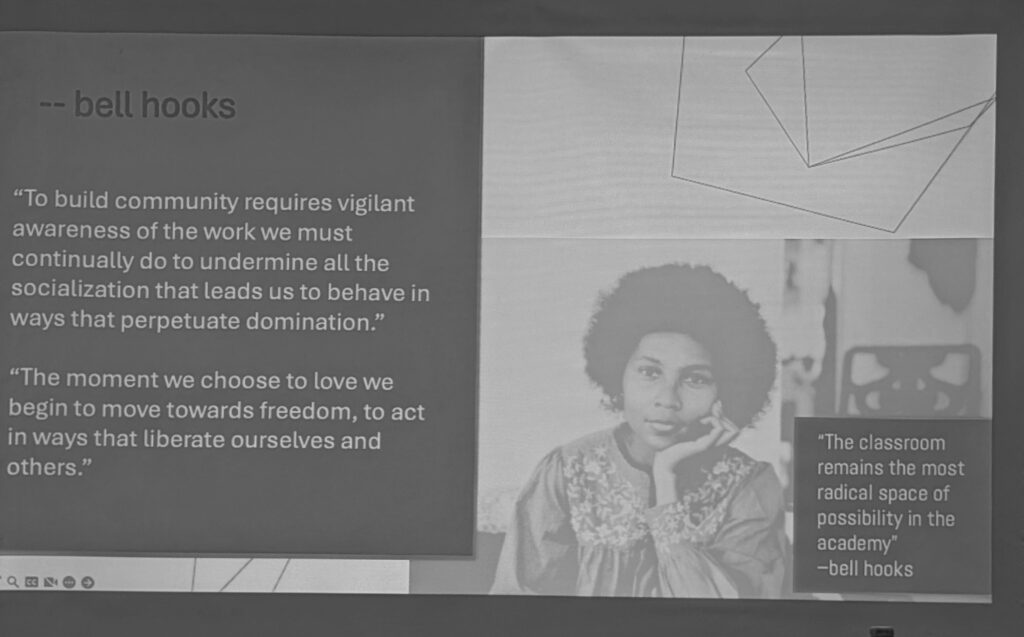
Part of this personal work also involves considering how I might use whatever influence I hold within academia toward the greater good. I am mindful of the significance my visibility as a Black woman in academia can have for young people who face structural barriers to participation in science. Alongside my academic work, I engage with school pupils and their families both locally and internationally. I support the Primary Science Teaching Trust initiative “A Scientist Like Me”.